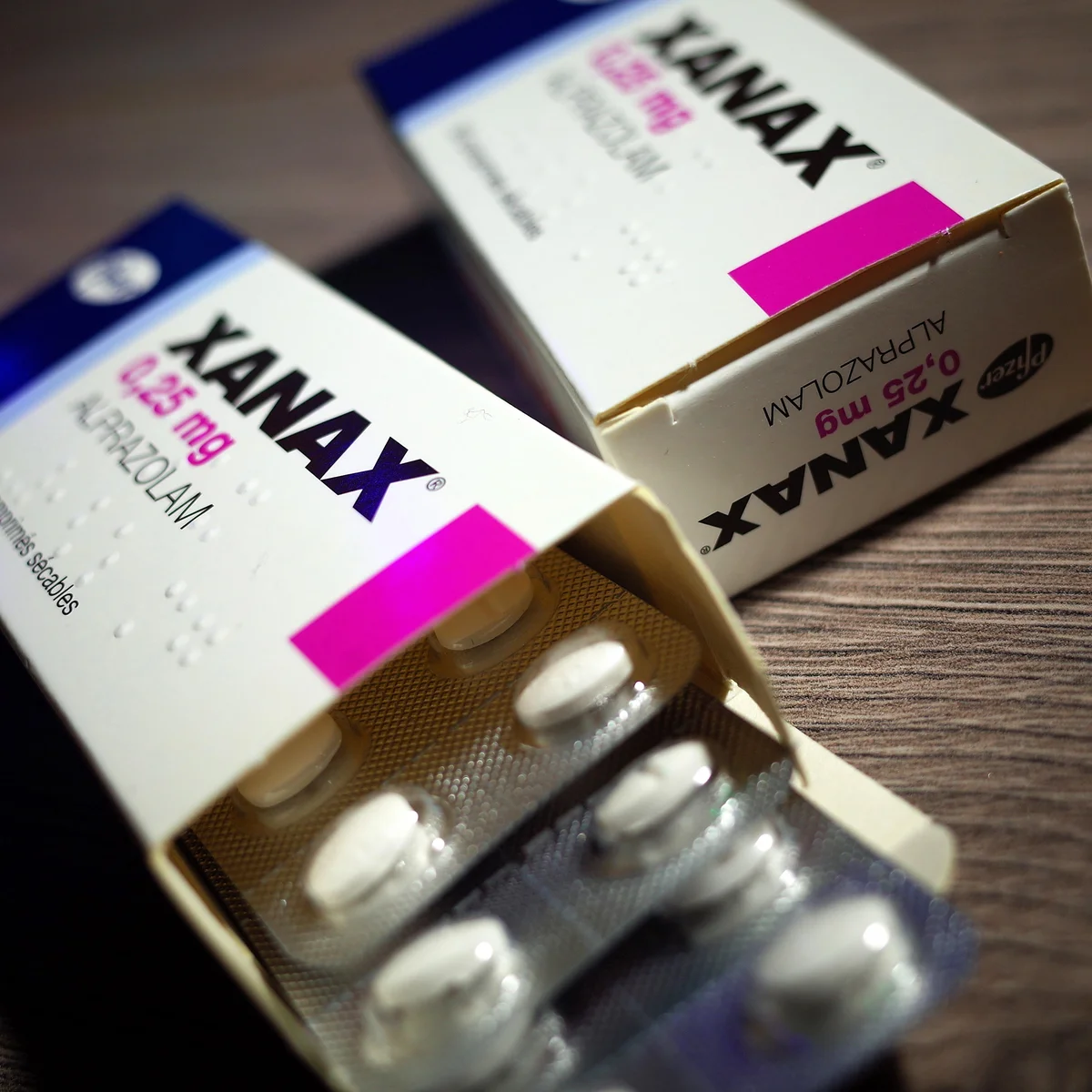
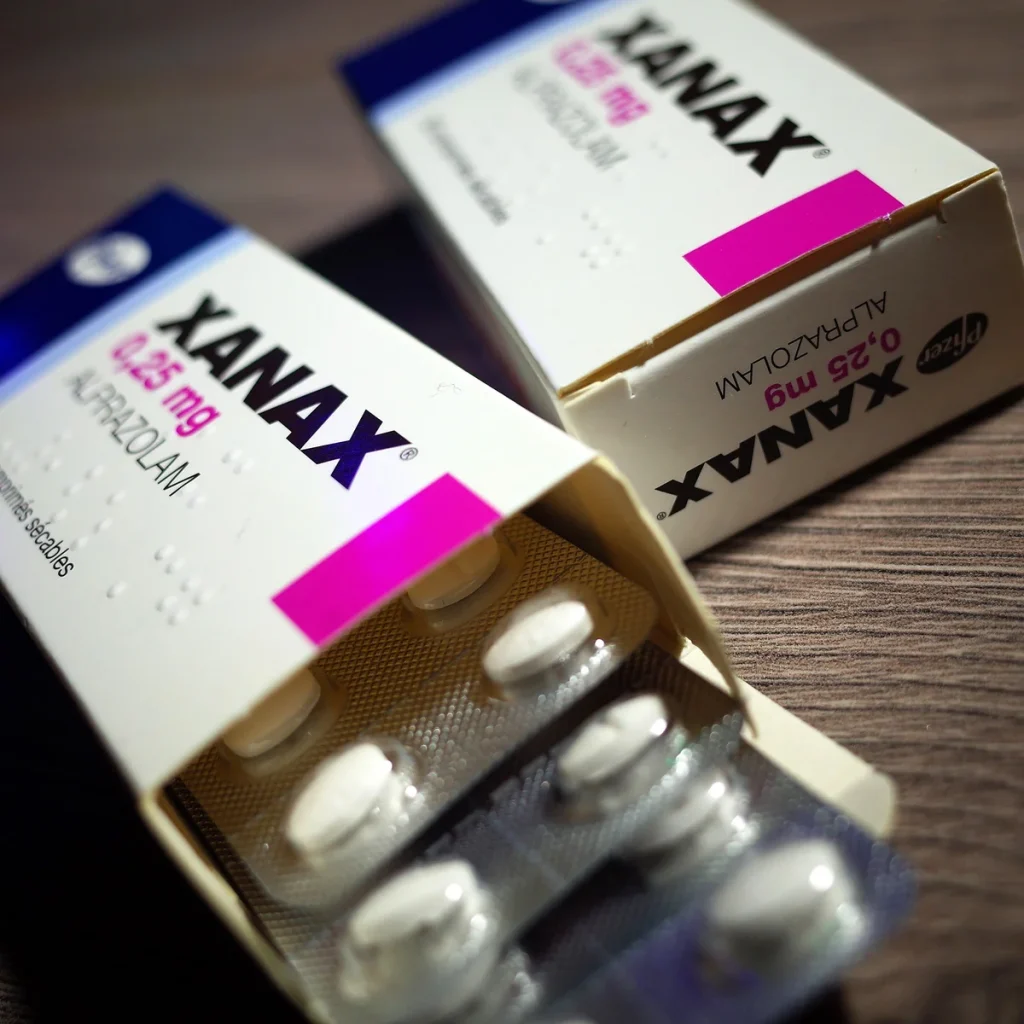
Alprazolam 1mg, widely recognized by the brand name Xanax, is one of the most prescribed medications for anxiety and panic disorders worldwide. For those who have been struggling with relentless worry, sudden panic attacks, or an inability to quiet an overactive mind, a properly supervised prescription can feel like regaining control. As telehealth and online pharmacy services expand, many patients with a valid prescription are also looking for safe, convenient ways to receive their medication, including express delivery straight to their door. This guide explores everything you need to know about Alprazolam 1mg tablets—from how they work and their history to responsible use, side effects, dependence risks, and what you must know before using any express delivery service.
How Alprazolam 1mg (Xanax) Tablets Work
Alprazolam belongs to a class of drugs called benzodiazepines. These medications function as central nervous system depressants, meaning they slow down brain activity. They achieve this by enhancing the effect of gamma-aminobutyric acid (GABA), a neurotransmitter that naturally calms neural firing. Think of GABA as the brain’s brake pedal. In people with anxiety disorders, that braking system can be underactive, leaving the mind in a state of constant overdrive. Alprazolam steps in and amplifies the calming signals, resulting in a rapid reduction of tension, fear, and physical symptoms of anxiety.
Because it is a high-potency benzodiazepine with an intermediate onset, Alprazolam 1mg begins working relatively quickly—usually within 15 to 40 minutes after taking a tablet on an empty stomach. This fast action makes it particularly useful for acute panic episodes and short-term anxiety flare-ups, but it also contributes to its potential for misuse. Understanding this mechanism is key to respecting the medication’s power and using it only as a temporary part of a broader treatment plan.
The Benefits and Side Effects of Alprazolam 1mg (Xanax) Tablets
When used responsibly under medical supervision, Alprazolam can offer significant relief. The primary benefits include:
Rapid calming during a panic attack, often preventing escalation.
Reduction of excessive worry, allowing engagement in therapy or daily life.
Muscle relaxation and sedation, which can help interrupt the physical feedback loop of anxiety.
Short-term management of severe anxiety while waiting for antidepressants or other long-term treatments to take effect.
However, these benefits come with a notable side effect profile. Common side effects include drowsiness, lightheadedness, dizziness, and impaired coordination. Some individuals experience a feeling of emotional blunting or “flatness.” The medication can also affect memory and concentration, especially at higher doses. These effects are why driving or operating machinery is strictly forbidden after taking Alprazolam until you know exactly how it affects you.
Paradoxical reactions, though rare, can occur—some people become agitated, irritable, or more anxious. Any unusual response should be reported to a healthcare provider immediately. Long-term use carries the risk of tolerance (needing higher doses for the same effect) and physical dependence, making a thoughtful, time-limited prescription essential.
How to Properly Take Alprazolam 1mg (Xanax) Tablets
Taking Alprazolam correctly is the cornerstone of safe treatment. Always follow the prescribing doctor’s instructions, but general guidelines include:
Take the tablet whole with water, with or without food. Fatty meals may slow absorption slightly.
If prescribed on an “as-needed” basis, use it only when anxiety or panic symptoms become unmanageable, not as a daily preventive habit unless specifically directed.
Never increase the dose or frequency on your own. If 1mg doesn’t feel effective, talk to your doctor rather than self-adjusting.
Avoid grapefruit and grapefruit juice, which can interfere with the liver enzymes that metabolize alprazolam, potentially raising blood levels dangerously.
Do not stop abruptly. A sudden halt can trigger severe withdrawal symptoms and rebound anxiety, even after a relatively short period of use.
For older adults or those with liver impairment, a doctor may start with a lower dose to account for slower drug clearance. The goal is always the lowest effective dose for the shortest needed duration, minimizing side effects while providing adequate relief.
The Difference Between Brand Name and Generic Alprazolam 1mg (Xanax) Tablets
Xanax is the original brand-name formulation manufactured by Pfizer, while alprazolam is the generic equivalent available from multiple pharmaceutical companies. In terms of active ingredients, they are chemically identical—both deliver 1mg of alprazolam per tablet. Regulatory agencies require generic versions to meet strict bioequivalence standards, meaning they must release the same amount of the drug into the bloodstream over a similar time frame.
Differences can show up in inactive fillers, dyes, or tablet shape, which for a minority of people might affect tolerability but not overall effectiveness. Generics are typically more affordable and widely covered by insurance, making treatment accessible. Whether your pharmacy dispenses the brand or a generic version, the therapeutic effect should be comparable. If you notice any change when switching from one to the other, discuss it with your pharmacist or doctor—occasionally, a specific manufacturer’s formulation sits better with an individual’s system.
The Role of Alprazolam 1mg (Xanax) Tablets in Treating Anxiety and Panic Disorders
Alprazolam is FDA-approved for generalized anxiety disorder (GAD) and panic disorder, with or without agoraphobia. For individuals experiencing frequent, unexpected panic attacks—those sudden surges of terror accompanied by racing heart, chest pain, trembling, and a sense of impending doom—a fast-acting benzodiazepine can be a literal lifeline. It can halt a panic attack in progress or be taken preventatively before situations known to trigger intense anxiety, such as flying or medical procedures.
The medication is not designed to be a standalone cure. Clinical guidelines increasingly emphasize its role as a bridge therapy: providing immediate relief while a patient begins a selective serotonin reuptake inhibitor (SSRI) or engages in cognitive behavioral therapy (CBT). Over weeks, as coping skills strengthen and the SSRI builds efficacy, alprazolam can be tapered down. This combined approach addresses the biochemistry of anxiety while equipping patients with lifelong tools, reducing the need for ongoing benzodiazepine use.
The History and Development of Alprazolam 1mg (Xanax) Tablets
Alprazolam was first synthesized in the late 1960s by Upjohn Laboratories (later acquired by Pfizer). It emerged from research into triazolobenzodiazepines—benzodiazepines fused with a triazole ring—that promised high potency and a specific clinical niche. The drug received FDA approval in 1981 and was marketed as Xanax. Its rapid absorption and relatively short half-life made it particularly suitable for panic disorder, a condition that earlier benzodiazepines like diazepam, with their longer-acting metabolites, sometimes treated less precisely.
Throughout the 1980s and 1990s, Xanax became a cultural touchstone, referenced in media and occasionally stigmatized due to its misuse potential. The medication’s popularity underscored the high prevalence of anxiety disorders and the real need for effective treatment. Today, it remains one of the most prescribed psychiatric drugs in the United States, a fact that prompts ongoing dialogue about balancing access with vigilance against overprescribing.
Alprazolam 1mg (Xanax) Tablets for Sleep: Effectiveness and Risks
Because of its sedative properties, alprazolam is sometimes prescribed off-label for severe insomnia, particularly when sleep difficulties are driven by anxiety or racing thoughts. It can reduce sleep latency—the time it takes to fall asleep—and decrease nighttime awakenings. Some people find that taking a dose at bedtime provides a reliable path to unconsciousness during periods of acute stress.
However, using alprazolam for sleep carries notable risks. It suppresses deep slow-wave sleep and alters sleep architecture, which can leave you feeling unrefreshed in the morning despite a full night’s